Sponsors

Professor Media Group is a digital media network dedicated to educating and inspiring curious consumers through expert-led content across the world of food and drink. Through its niche publications—The Alcohol Professor, The Cheese Professor, The Chocolate Professor, The Olive Oil Professor, and The Vinegar Professor—the group offers in-depth articles, guides, reviews, and insights that make complex subjects accessible, informative, and enjoyable for both enthusiasts and professionals alike.


The Alcohol Professor

An online “homeroom” to learn about all things alcohol—from how to read labels and understand production methods to exploring styles, pairings, reviews, and so much more.


Featured Image

Why Some Bars Are Skipping Ice in Cocktails

A closer look at the rise of ice-free cocktails
Read More
Featured Image

5 Best Vermouths for a Martini, According to Bartenders

A surprising roundup of vermouths to use in martinis. 
Read More
Featured Image

How Craft Bitters Became a Force in Cocktails

A closer look at the rise of bitters in modern cocktails
Read More
Featured Image

Cold, Fizzy and Fun: The Lambrusco Revival

All about the comeback of Lambrusco.
Read More

The Cheese Professor

An online “homeroom” to learn about all things cheese—from milk types and production methods to styles, pairings, recipes, reviews, and so much more.

Featured Image

Finding Great Cheese at Sea

A closer look at cruise ship cheese culture
Read More
Featured Image

Do You Need a Girolle Cheese Curler?

A closer look at the Girolle cheese curler. 
Read More
Featured Image

A Cheese Lover’s Punk Playlist

A playlist that pairs cheese and punk music.
Read More

The Chocolate Professor

An online “homeroom” to learn about all things chocolate—from cacao origins and production techniques to tasting notes, pairings, reviews, and so much more.

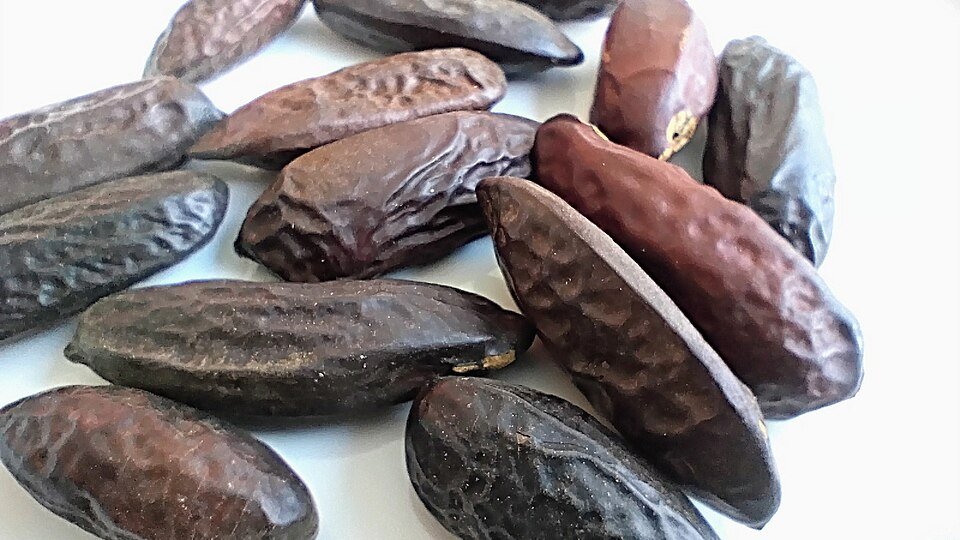
Featured Image

The Search for Papua New Guinea’s Finest Cacao

A firsthand report about the artisanal chocolate producers in Papua New Guinea.
Read More
Featured Image

East Meets Sweet: 6 Great Asian Inspired Chocolatiers

A closer look at 6 Asian American chocolate makers.
Read More
Featured Image

When Smoke Gets in Your Chocolate

A closer look at smoky chocolate bars.
Read More
Featured Image

Not All Cacao Should Be Fermented

A closer look at unfermented cacao.
Read More

The Olive Oil Professor

An online “homeroom” to learn about all things Olive Oil from how to read an olive oil label, how it is produced, what it pairs with, recipes, reviews and so much more.
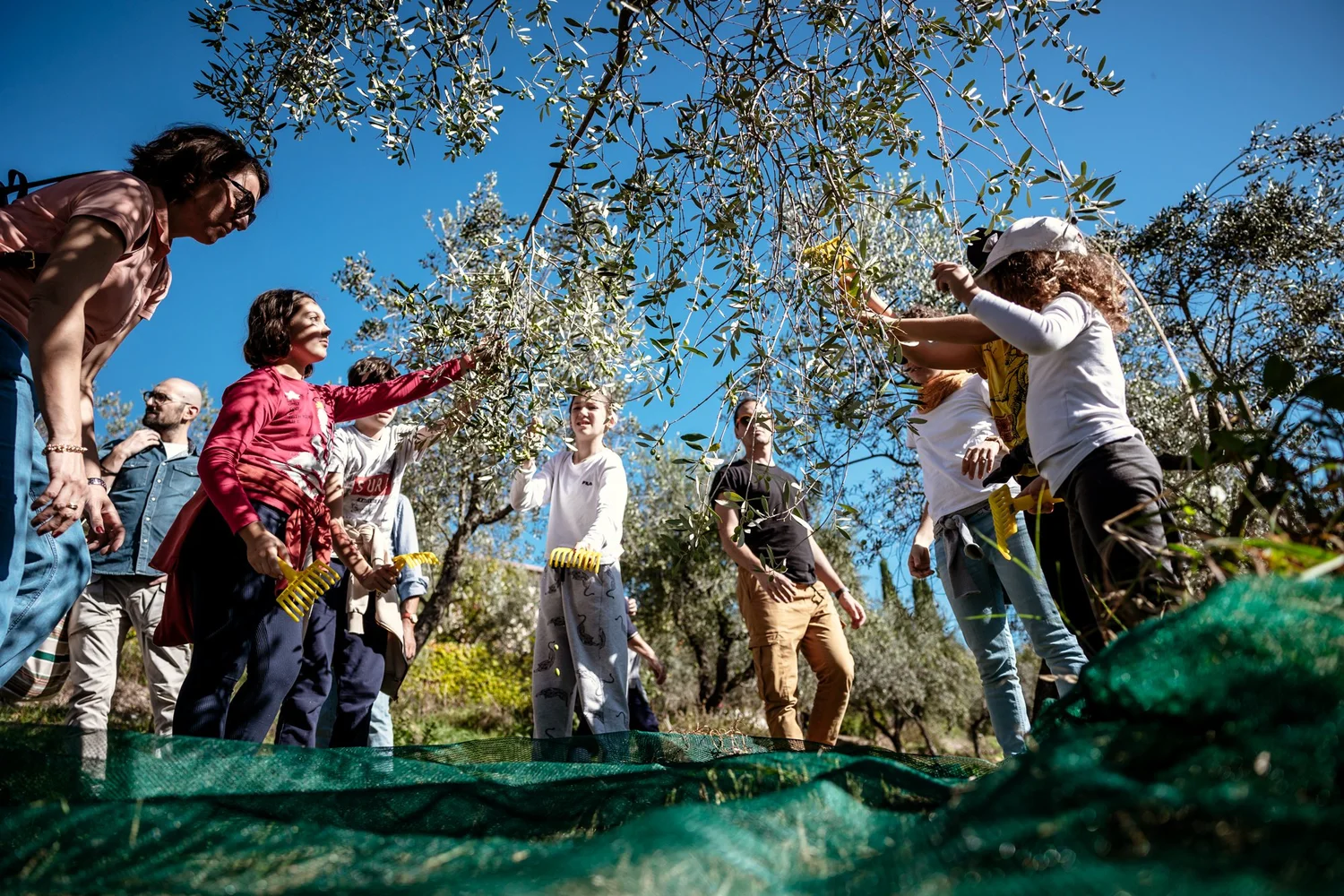
Featured Image

5 California Resorts for Olive Oil Lovers

Roundup of the best California hotels for olive oil lovers
Read More
Featured Image

Biancolilla: The Sicilian Olive to Watch

A closer look at Sicilian biancolilla olive oil
Read More
Featured Image

A Guide to Olive Oil From Alentejo, Portugal

A closer look at olive oil from Alentejo, Portugal
Read More
Featured Image

What the Color of Your Olive Oil Really Means

A closer look at what olive oil color really means
Read More
VISIT OLIVE OIL PROFESSOR

The Vinegar Professor

An online “homeroom” to learn about all things vinegar—from how it’s made and the different styles available to culinary uses, pairings, recipes, and so much more.
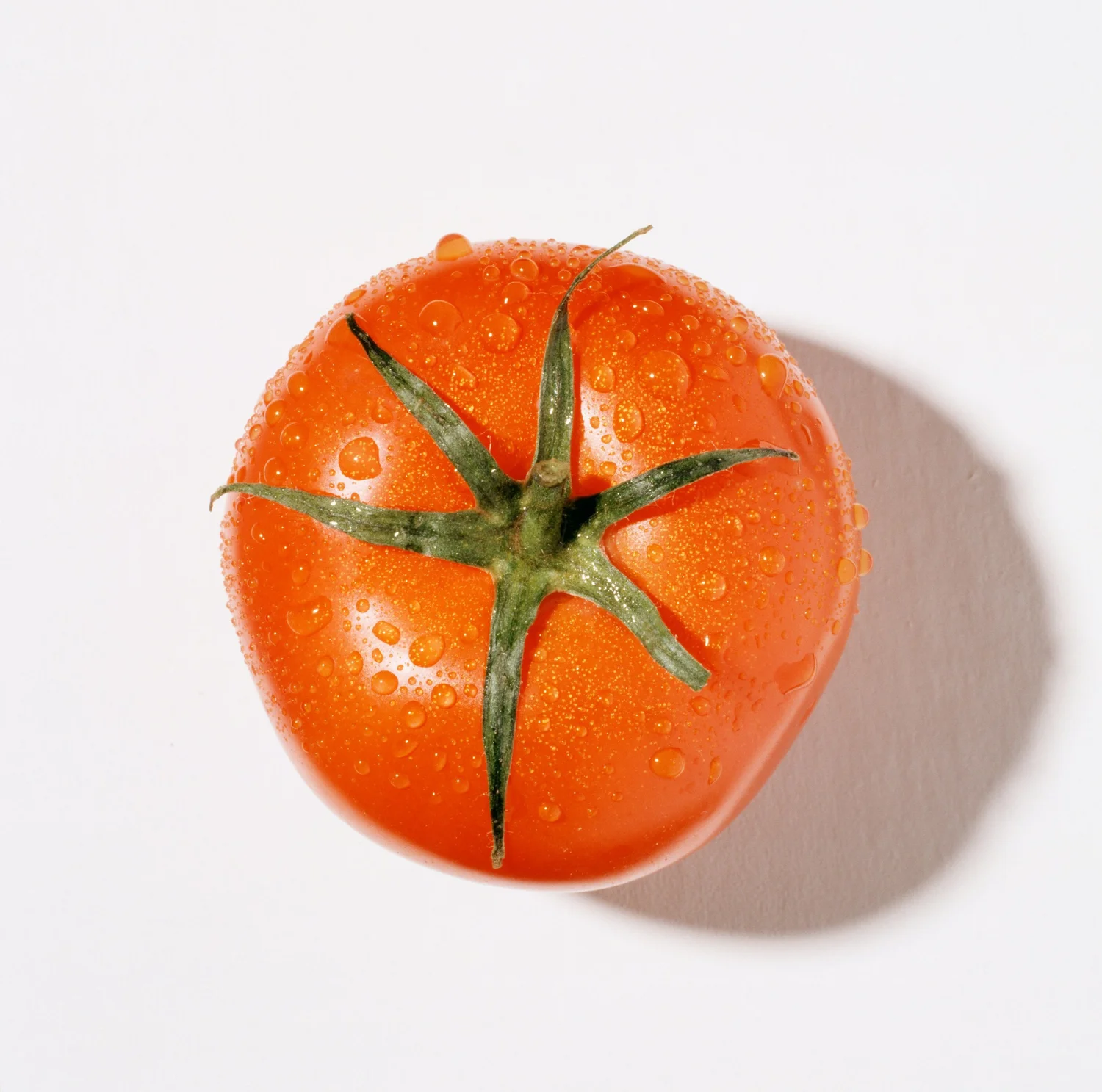
Featured Image

Herb-Infused Vinegar

A verdant and vibrant way to let spring shine!.
Read More
Featured Image

Melanie Masarin's Riviera

Acid across France’s Côte d’Azur to Italy’s Ligurian region.
Read More
Featured Image

5 Must Try Vinegars from India

Kafal. Pic credit Kuninda

Souring agents have traditionally played a key role in cooking all over the world.  Given the rich culinary heritage of India, it is no surprise that the cuisine boasts of a number of souring agents like yogurt, lemon, tomatoes, tamarind, sorrel leaves etc.  But did you know that vinegar is also a key ingredient used to balance flavours in Indian cooking?

In India, vinegar has been used since time immemorial — mentioned in Vedic texts (which are 3500-4000 years old) as well as Ayurveda (which is 5000 years old) for its healing properties. Locally known as Sirka in Hindi, its sharp, tart taste and intense aroma is often used to flavour salads, prepare pickles, preserve foods and accentuate the taste and depth of a plethora of dishes such as meat, fish and pork curries apart from stir fries and stews.

Given that India is home to a wide variety of indigenous fruits like mango, Java plum, bay berries, wood apple, jackfruit, Indian Gooseberry (Amla) etc., there are several regional vinegar varieties that are native to the Indian subcontinent. Each one has its own unique taste, and draws from the hyperlocal climate and conditions, as well as techniques of fermentation.


Ganne ka Srika aka Sugarcane Vinegar

Kolah’s Vinegar. Pic credit Mahrukh J Billimoria

Made from fermenting fresh sugarcane juice, this vinegar is distinctly sweet and sour, with a fresh aftertaste almost akin to malt vinegar. In India, this vinegar is synonymous with the legendary brand Kolah, based in the city of Navsari in the western state of Gujarat. Navsari incidentally is a city with a rich Parsi heritage and is known for the cultivation of mangoes.  

Started by Edalji Kolah in 1885, this one is known as the “balsamic vinegar of India” due to its balanced sweet-sour taste and is an intrinsic part of Parsi cuisine which is known for its slow cooked meats, stews and ample use of vinegar and dry fruits. “This artisanal vinegar has a unique flavour profile that balances sweetness and acidity. It is perfect for dressings, marinades, cocktails and pickles. It adds depth and lends dishes like Lagan nu Stew (Parsi Vegetable Stew), Tareli Machhi (Parsi Fish Fry) and Patra ni Machi (Steamed fish marinated with spices and wrapped in a banana leaf) its characteristic taste” says Mahrukh J Billimoria, a home chef who specializes in Parsi cuisine. It is often used with a small amount of jaggery for an added sweetness and is an integral part of salads as well as stir fries.


Jamun and Kafal Vinegar

Jamun Vinegar Pic credit Kuninda

Kuninda, based in the north Indian state of Uttarakhand, is run by brother-sister duo Kabir and Radhika Singh. Uttarakhand in north India is a state famous for its stunning hill stations, revered pilgrimage sites and also its strong yoga and wellness culture.  Kuninda specializes in making vinegar from native berries and fruits like jamun, aka Indian blackberry or java plum. “The splendid colour of the skin remains in this vinegar lending it a delicious pinkish-purple hue.


Kafal Vinegar. Pic credit Kuninda

Kafal is a tiny little berry, astringent and very sour, which grows only in the lower Himalayas and is available only for about 20 days in a year” says Radhika Singh, Co-founder of Kuninda.  It is key to note that no external yeast is added and the fermentation of the fruit happens by the naturally existing bacteria on the skin of the fruits. Also, we put the entire fruit to ferment rather than just the juice” adds Singh.  These vinegars are used to pickle vegetables like onions, chillies, radish, carrot, beetroot, ginger etc and to drizzle over sandwiches and prepare Indian style pickles like cauliflower, carrot and ginger pickle.


Plum Vinegar

This deep maroon red coloured vinegar is made by fermenting plums sourced from orchards nestled in the Kumaon hills of Uttarakhand.  “These sweet-tart fruits are cut into bite-sized pieces and put in a vat filled with sweetened water; we use raw cane sugar,” says Singh. Naturally fermented for about two months, it is best used as a general souring agent for curries and soups. “We also use it to make cottage cheese when buttermilk and lemons are not available on the farm (for curdling the milk) and also to make reductions to be had with cheeses and cold cuts” adds Singh.


Kachampuli, aka Malabar Tamarind Vinegar

Kachampuli is a tart vinegar native to Coorg, which is a famous hill station in the southern state of Karnataka. Known for its coffee plantations, lush forests and scenic landscapes, Coorg is often referred to as the Scotland of India. This vinegar is extracted from the panapuli fruit (also called Malabar tamarind, scientific name Garcinia gummi-gutta ) which grows wildly in forests of the region.  It is a small round fruit with longitudinal ridges with a pulp that is very sour. It turns fully black when ripe.

“In Coorgi cuisine the pulp of ripe Panapuli is boiled and reduced to make vinegar and is called Kachampuli which is used to prepare the regions’ signature pork dish called Pandi curry.  It is also used in a dry chicken preparation called Koli Barthad and in all the fish fry and curry marination” says Chef Naren Thimmiah, Karavalli, Vivanta Bengaluru.  Incidentally, pandi curry is a rich, spicy and tangy curry which is a signature dish of Coorg and is characterized by the use of local spices like black pepper and kachampuli.  Koli Barthad is a pan-fried chicken cooked in a rich blend of local spices coupled with browned onions. It is finished with Kachmapuli.

The ripe Panapuli fruits, which fall off the trees, are collected and stored in inverted indigenous field work umbrellas. After fermentation, the juice extracts are collected and boiled in wood fired hearths where the vinegar reduces. The dark coloured tart vinegar has a distinct smoky flavour from the wood making it an indispensable ingredient in Coorgi cuisine.


Coconut Sap, or Goan Toddy Vinegar

Coconut Vinegar at O Pedro, Mumbai

Made from fermented coconut sap, Goan toddy vinegar is gently acidic with mild fruity notes which makes it different from sharper, more aggressive vinegars.  “It brings brightness to a dish, but in a way that feels balanced and layered rather than overpowering. This subtlety is what makes it so integral to Goan Catholic cooking — it seasons food without taking over, allowing spices, meats, and other ingredients to come through while quietly tying everything together. At its core, it is a marinade and is traditionally used with pork and goat meat; it helps tenderise the meat while adding that gentle, rounded tang. Some of the most iconic flavours of Goan chorizo and vindaloo owe their distinct piquancy and depth to this vinegar” says Hussain Shahzad, Executive Chef, O Pedro (Hunger Inc. Hospitality).  For the uninitiated, Goan Catholic Cooking is a cuisine native to the state of Goa and is characterized by spicy, tangy dishes which mainly use pork, beef, toddy vinegar, and coconut. The cuisine has Portuguese colonial influences and traditional Hindu Konkani methods.  While Chorizo is a sausage made primarily from coarsely ground pork and seasoned with spices like garlic and smoked paprika, Vindaloo is a spicy almost fiery curry traditionally made from pork cooked along with ingredients like vinegar, garlic and paprika.


Coconut Sap Vinegar. Pic credit Freepik

The process begins with tapping the coconut palm for its sap, called toddy. This fresh sap is naturally sweet and lightly cloudy, and if left on its own, it begins fermenting almost immediately. Traditionally, the toddy is collected in earthen or clay pots, often with a bit of older fermented toddy already in them to kickstart the process. Over time, natural yeasts convert the sugars in the sap into alcohol, essentially turning it into a light coconut wine. The fermented toddy is left to age and oxidise, allowing naturally occurring bacteria to convert that alcohol into acetic acid. This slow transformation is what gives toddy vinegar its mild acidity and layered flavour. “It is a completely natural, unhurried process. No shortcuts, no heavy processing – just time, air, and the right conditions working together to create something that feels both simple and incredibly nuanced” adds Shahzad.

Read More

Submit Now

Visit our How To Enter page for instructions on how to submit your spirits to be tasted by our panel of trade buyers